
Meet Gus
Gus Castellanos, M.D.
Physician. Neurologist. Sleep specialist. Mindfulness teacher. A physician's journey from studying the brain to understanding the mind.
Chapter one
Physician and brain specialist.
Gus trained as a neurologist and sleep medicine specialist, spending decades caring for patients whose lives were shaped by the brain — stroke, neuro-oncology, sleep disorders, and neurodegenerative disease. He led sleep centers, chaired neurology departments, and served as president of the Florida Society of Neurology. That work gave him an intimate understanding of how the brain shapes attention, emotion, sleep, memory, and suffering.
Chapter two
The mind beyond the brain.
Medicine could describe the brain, but it couldn't fully explain the mind — awareness, attention, the felt experience of being alive. Gus began exploring that territory in 1998 when he attended his first Mindfulness-Based Stress Reduction course, and he has kept a personal mindfulness practice every day since. What began as a physician's curiosity became a life's second calling: understanding human experience from the inside.
Chapter three
Mindfulness training.
Gus is certified to teach Mindfulness-Based Stress Reduction through the University of Massachusetts Medical School Center for Mindfulness in Medicine, Health Care, and Society — the program originally developed by Jon Kabat-Zinn. He has also trained in Mindfulness-Based Attention Training with Amishi Jha at the University of Miami, in Mindfulness-Oriented Recovery Enhancement with Eric Garland at the University of Utah, and has completed Levels I and II of MBI assessor training with Rebecca Crane.
Chapter four
The teacher.
Gus teaches practical mindfulness for real life. Not performance meditation, not spiritual bypass, not another wellness product — a grounded, honest practice built for people with jobs, families, grief, stress, sleep trouble, and ordinary days. He has taught in hospitals, universities, prisons, recovery communities, schools, first-responder departments, and corporate rooms. His teaching is direct, warm, and unafraid of the parts of life mindfulness is actually meant to meet.
Chapter five
The mission.
LivingMind exists to bring that teaching to more people than one room can hold. It's a modern mindfulness institute — screening, guided pathways, daily practice, reflection, live classes, and coaching — led by a physician and experienced teacher, supported by human coaches and thoughtful technology. The goal is not to build another meditation app. The goal is to help people actually practice.
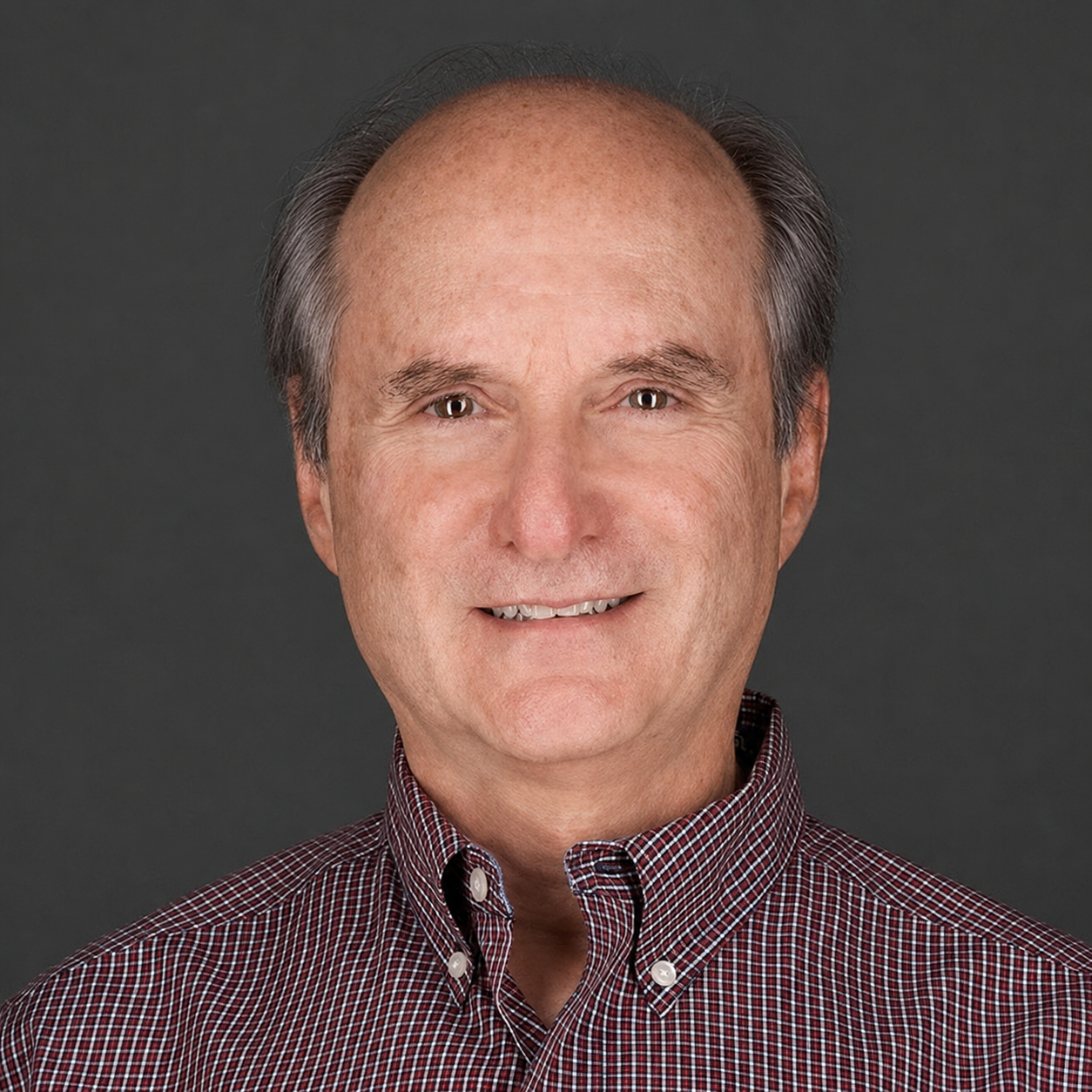
Founder & lead teacher
Agustin (Gus) Castellanos, M.D.
A note on scope
Gus retired from the practice of medicine in 2006. At LivingMind, his role is exclusively as a mindfulness teacher, educator, and coach. LivingMind is a mindfulness coaching and education platform — it does not provide medical care, diagnosis, treatment, therapy, or mental-health services. The biography below is shared for context and credibility, not as an offer of clinical care.
Gus Castellanos, M.D., is a retired neurologist, sleep medicine specialist, certified mindfulness teacher, researcher, and community educator based in South Florida.
Dr. Castellanos received his medical degree from the University of Miami in 1980 and completed training at Emory University School of Medicine, Georgetown University School of Medicine, and the University of Texas MD Anderson Cancer Center. He became board certified in Neurology in 1987 and Sleep Medicine in 1994. During his medical career, he served as Assistant Professor in Neuro-Oncology at MD Anderson Cancer Center, Medical Director of The Sleep Center at Jupiter Medical Center, President of the Florida Society of Neurology, Chief of Neurology at Palm Beach Gardens Medical Center, and Co-Director of Jupiter Medical Center’s Stroke Center.
After retiring from medical practice in 2006, Dr. Castellanos deepened a long-standing interest in mindfulness, contemplative practice, and their applications in health, recovery, education, and community life. He attended his first Mindfulness-Based Stress Reduction course in 1998 and has maintained a personal mindfulness practice ever since. He began teaching mindfulness workshops and classes in 2009 and has been teaching and researching MBSR and other mindfulness-based programs since 2010.
He trained and received certification to teach MBSR through the University of Massachusetts Medical School Center for Mindfulness in Medicine, Health Care, and Society in 2017. He has also trained with and contributed to Amishi Jha’s Mindfulness-Based Attention Training at the University of Miami and received certification to teach Mindfulness-Oriented Recovery Enhancement with its developer, Eric Garland, at the University of Utah. He has completed Levels I and II of MBI assessor training with Rebecca Crane.
Gus currently teaches mindfulness-based programs for the Florida Department of Health Community Health Nurses, the Children’s Services Council of Palm Beach County, GEN2050, Palm Beach Wellness Institute, and the Mind, Music, Movement Foundation for Neurologic Disorders. He also offers concierge-level personal mindfulness training and provides mindfulness support for individuals with Parkinson’s and other neurodegenerative disorders, as well as their caregivers.
Since 2011, Gus has facilitated weekly mindfulness sessions at a local prison. He also leads Recovery Dharma meetings in Jupiter and has been involved with Recovery Dharma since its inception. His work is informed by decades of medical experience, long-term mindfulness practice, recovery-oriented community work, and a deep commitment to making mindfulness accessible, ethical, and grounded.
Gus has taught mindfulness programs and workshops for medical centers, universities, schools, first responders, legal organizations, treatment centers, veterans’ groups, community agencies, and professional organizations throughout South Florida and beyond. He has also been involved in mindfulness research with Florida International University School of Public Health, Nova Southeastern University, the University of Miami Miller School of Medicine, FIU College of Medicine, and Amishi Jha’s Lab at the University of Miami.
He writes a South Florida mindfulness newsletter with approximately 2,500 subscribers and participates in several mindfulness teacher communities. He is a founding member of South Florida Mindful Communities and serves on Palm Health Foundation’s “Train the Brain” campaign Advisory Board and planning committee.
Principles
What this platform believes.
Why mindfulness
Because attention is the most underused human capacity, and almost every form of suffering eases when we learn to be with what's actually here.
Why guided practice matters
A pathway prevents drift. People who follow a sequence go further than people who shuffle a library of meditations.
Why live teaching still matters
Recordings teach technique. Live teachers teach presence. Both matter, but only one of them looks back at you.
Why this platform was created
To bring screening, daily practice, reflection, live teaching, and coaching together — in a single, calm place.
The role of coaches
Coaches don't diagnose or treat. They help members apply mindfulness to actual life — relationships, work, sleep, transitions, stress.
The role of daily practice
Five minutes today beats fifty minutes someday. Sustainable practice changes lives; aspirational practice doesn't.
A note on scope. LivingMind provides mindfulness education, coaching, guided practice, journaling, sleep-support education, and personal development support. LivingMind does not diagnose, treat, or provide medical care, psychotherapy, mental health treatment, or emergency support. If you are in crisis, immediate danger, or need urgent help, contact emergency services or a qualified professional.